
Revel in the ornate, flamboyant architecture of the Val di Noto as we pay a visit to the most enchanting Baroque towns in Sicily.
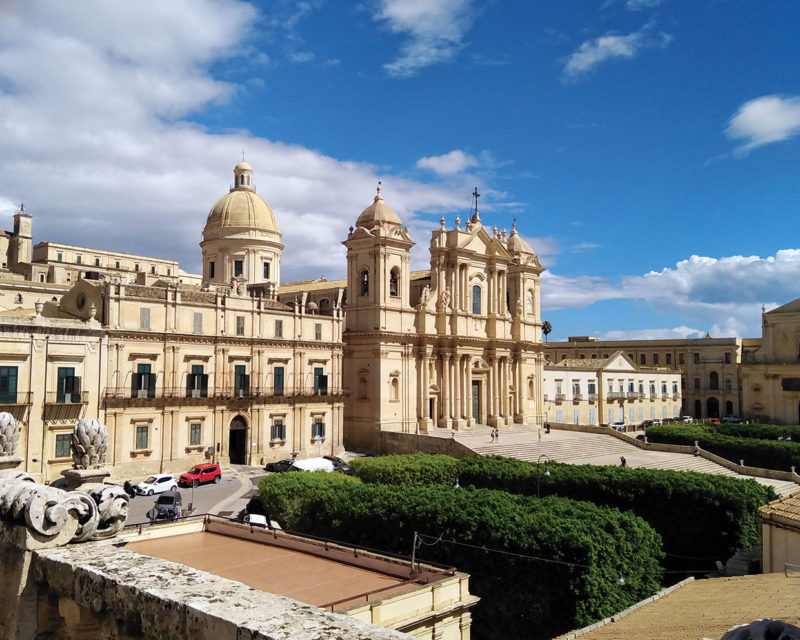
Characterised by dramatic theatricality, intricate detailing and a sense of grandeur, the Sicilian Baroque is a distinctive architectural style that emerged at the end of the 17th century.
Though clearly influenced by the prevailing Baroque movement of Rome, the Baroque towns of Sicily differ in that they exhibit a fusion of artistic elements that reflects the island’s rich cultural history and the interplay of various civilisations.
Notable features of Sicilian Baroque architecture include undulating façades, sculpted balconies, ornate ironwork and dynamic use of light and shadow. Churches, palaces and public buildings became canvases for expression, with architects such as Giovanni Battista Vaccarini and Rosario Gagliardi contributing to the ornate aesthetic that typifies the Sicilian Baroque.
One of the most iconic examples of Sicilian Baroque is the Cathedral of Saint Agatha in Catania, where the dynamic interplay of concave and convex forms creates a visually striking effect.
This style of architecture is most prominently seen in the cities of Catania, Ragusa, Modica, Scicli and Noto. The devastating earthquake of 1693 provided an opportunity for architects to rebuild these cities, resulting in the creation of masterpieces that would define the Sicilian Baroque style.
The Sicilian Baroque stands as a testament to this unique island’s resilience and creativity, blending elements from various cultural influences into a distinct and captivating architectural expression that continues to captivate admirers around the world.
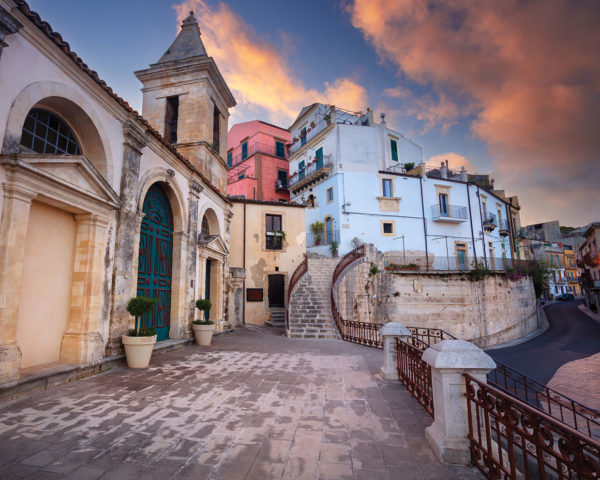
Where did the Baroque towns of Sicily come from?
On the 11th of January 1693, a devastating earthquake hit southeastern Sicily. It destroyed at least 70 towns and cities, seriously affected an area of 2,000 square miles and caused the deaths of about 60,000 inhabitants.
An eyewitness recorded his experience of it in Noto Antica: “It was so horrible, that the soil undulated like the waves of a stormy sea, and the mountains danced as if drunk,” (as quoted by Stephen Tobriner in Dreadful Visitations).
It was a terrible tragedy, but the damage caused prompted an architectural revival in the area that became known as Sicilian Baroque. Many towns and cities were rebuilt in this style, and today they form a UNESCO World Heritage Site: Late Baroque Towns of the Val di Noto.
The reconstruction of these towns often required difficult choices, and some towns were abandoned and rebuilt elsewhere. The population of these towns were often loath to move, but for people in business it often made sense to move to somewhere more accessible, rather than rebuild on the previous site.
Also, the new town planning was done with a lot more thought, as during the earthquake the medieval narrow streets were responsible for a large number of deaths. Large piazzas and wide streets were the order of the day to guarantee safe evacuation routes in the event of another earthquake.
Late Baroque Towns of the Val di Noto
Eight Baroque towns in south-eastern Sicily form the UNESCO World Heritage Site: Palazzolo, Catania, Caltagirone, Militello Val di Catania, Ragusa, Modica, Scicli and Noto. Here’s what Jane Keightley found when she visited four of them:
1. Ragusa
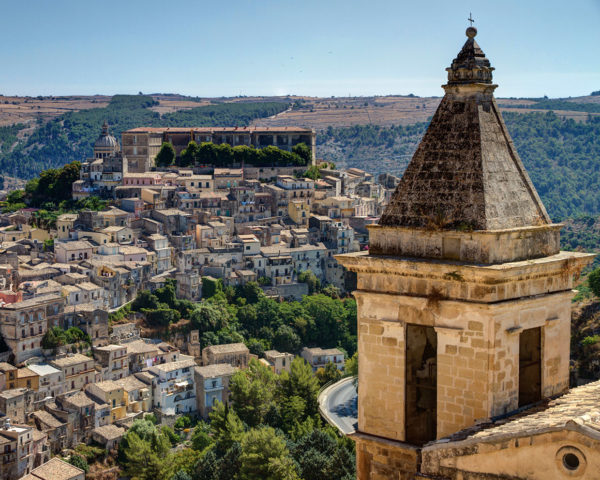
The city of Ragusa was reduced to little more than a pile of rubble in the earthquake of 1693. Most of the inhabitants responded to the catastrophe by simply building a new town up on the hill above the old one. The aristocracy, however, refused to desert what was left of their homes and recreated Ragusa Ibla on the original valley site.
The towns only merged in 1926, and Ragusa is still very clearly divided into two distinct parts. The upper town, though home to several impressive Baroque buildings, including its cathedral of San Giovanni Battista, is on the whole a pretty ordinary, workaday town. Ragusa Ibla, on the other hand, is a joy to wander around, its narrow streets seemingly all weaving their way towards Piazza Duomo, the town’s central square.
Climb down from the new to the old from the Gothic Church of Santa Maria delle Scale, which was remodelled after the earthquake. From this point there are 250 steps down to Ragusa Ibla – well worth the effort to walk down if you can.
At the top of Piazza Duomo stands the Duomo di San Giorgio, set high up on a grand staircase. This was patronised by the nobles who had rebuilt Ragusa Ibla. It is said that St George was considered the unofficial patron saint of the Sicilian aristocracy.
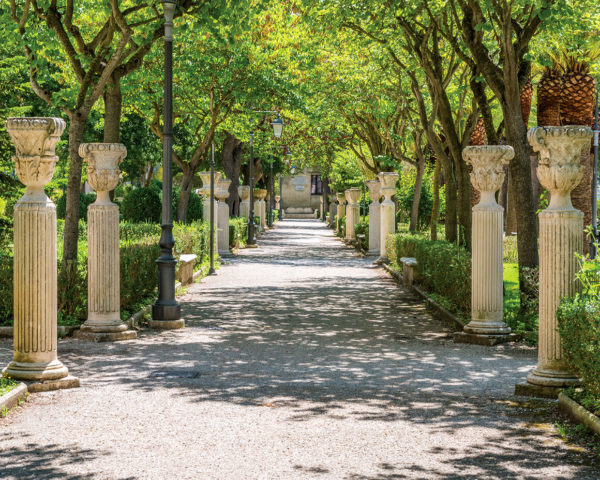
Once you have explored the Duomo, go and admire the Baroque architecture of the rest of the town and enjoy the local food and shops. Then end up in the Giardino Ibleo, which is situated on a spur at the end of Ibla with views across the rest of the valley.
Modica
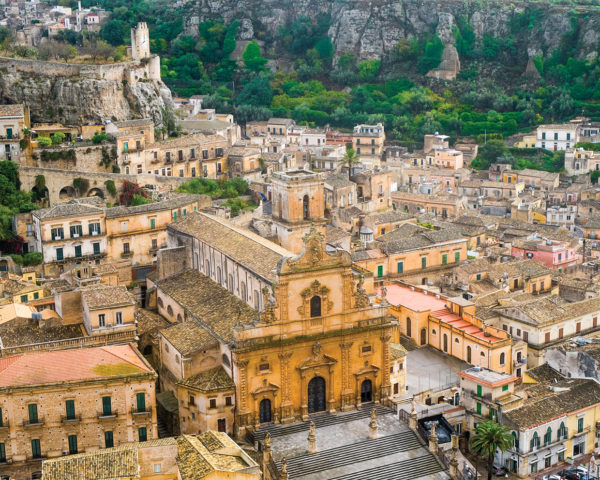
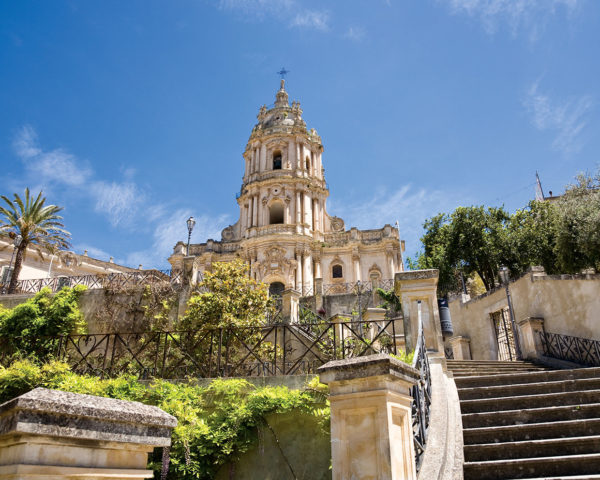
Modica was the regional capital until Ragusa took over, and like Ragusa it is two towns in one; one high and one low. Although Modica does have some beautiful Baroque buildings, including the magnificent cathedral of San Giorgio, it is not as atmospheric as Ragusa Ibla.
However, it does boast the region’s best shops and restaurants. So once you have had your fill of Baroque treasures, head off to one of the most popular shops in Modica, the Antica Dolceria Bonajuto. You’ll find it down an alley off Corso Umberto I. It is normally heaving with visitors queuing to get their hands on some of the most famous chocolate in Sicily.
The chocolate tradition in Modica has its roots in Aztec America. The Spanish had discovered a new food while conquering the New World. It was a concoction of cacao beans known as xocolatl. It was either eaten as it was or as a drink mixed with water.
In 17th-century Europe chocolate became really popular and the Spanish chose Modica to cultivate cacao and produce chocolate. Apparently the ladies of Modica would drink hot chocolate at Mass, claiming that it stopped them fainting. The priest complained saying that it broke the law of fasting. But the story goes that he was killed off with a cup of poisoned hot chocolate!
Modica’s love of chocolate remains and a visit to Antica Dolceria Bonajutoo is an experience in itself, with its cabinets full of objects documenting the history of chocolate in the area. But do buy a selection of their wares while you are there – you won’t regret it!
Scicli
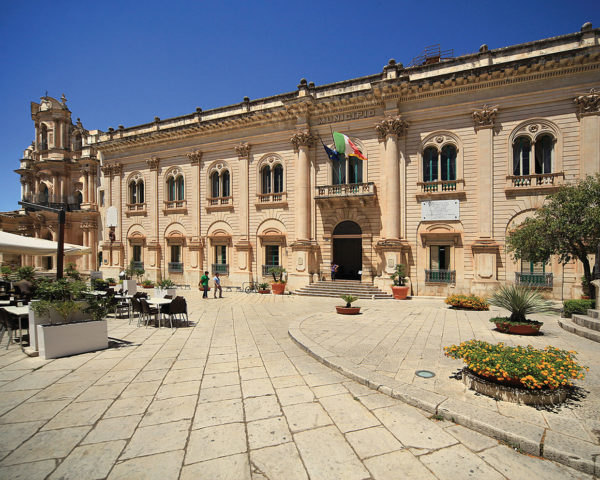
Just like the other Baroque towns in this region, Scicli has seen a lot of restoration in recent years and is now a popular tourist destination – not just for its architecture but also because of the popular television series Inspector Montalbano, based on the series of books written by Andrea Camilleri.
Via Francesco Mormino Penna is home to Scicli’s Town Hall, which features as the location of the police station in Inspector Montalbano. But if you’re not just here for the television tie-in, this elegant street is also lined with Baroque churches and palazzi, as well as a fascinating old pharmacy, the Antica Farmacia Carta.
Closed in the 1970s, it was rediscovered a few years ago with its contents and interiors intact. It is full of Art Nouveau jars and flasks – and they also found an ancient cash register here – and has itself featured in several Montalbano episodes.
Piazza Italia is the main square of the town and this contains the Duomo, Chiesa San Ignazio – but one of the most fascinating areas is the medieval part of the town. There is a path up the cliff that overlooks the town that leads to the ruined castle and the Church of San Mateo.
From here it is said that secret passageways built at the time of the Saracen sieges lead out of town, and the hill is tunnelled with former cave homes that were inhabited until the 1980s.
Noto
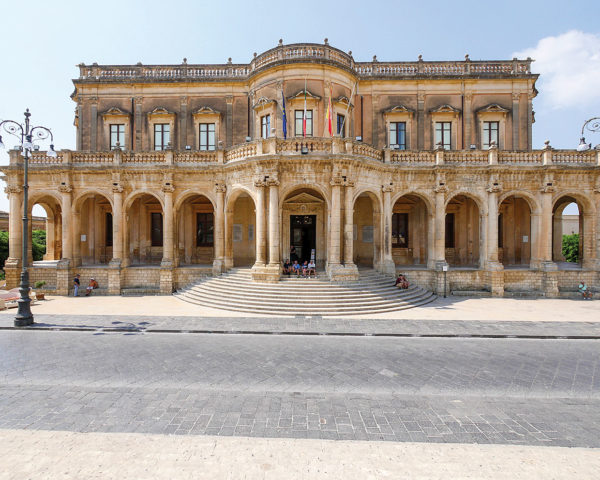
Rebuilt a few miles from the original town, Noto is known as the most beautiful Baroque town in the Val di Noto and truly deserves that accolade.
Enter the town by the grand Porta Reale then head off down the main street, Corso Vittorio Emanuele, which runs on from here and is lined with some of Sicily’s most beautiful buildings. The cathedral of San Nicolo is one of the most impressive. Its distinctive dome collapsed in 1996 and has been carefully rebuilt.
Also along this main street is the church of Santa Chiara. After admiring the richly decorated interior, climb up a narrow staircase to its panoramic terrace that has magnificent views of the town.
Keep heading along Corso Vittorio Emanuele and the grand Baroque buildings just keep coming. It’s like being on a film set. When you’ve had enough of the awe-inspiring architecture, try one of the many great restaurants and watch the world go by.
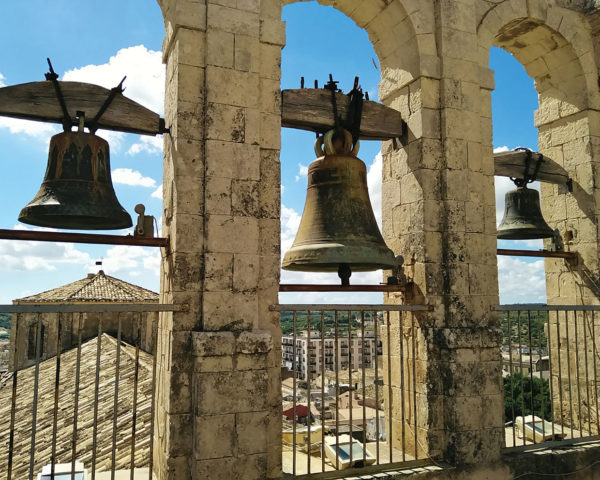
Val di Noto ticks all the boxes for a great trip. Not only does it boast some of the most magnificent Baroque architecture in Italy and a great selection of restaurants and places to stay, it also has a stunning coastline where you can just relax and enjoy the Sicilian sunshine at your leisure.
Written by Jane Keightley for Italia! #207 (Feb/Mar 2024)
See more breathtaking Baroque architecture in Lecce: Puglia’s Baroque Lady
Italia! may earn commission from the links on this page.