
In this edition of our bilingual feature, Tom Alberto Bull reports on the trend towards the ‘albergo diffuso’ as part of a more sustainable tourism…
Key words
Useful Italian words and phrases to add to your vocabulary.
- Un gran numero di turisti
Huge numbers of tourists - Immutate per generazioni
Unchanged for generations - Un ritmo sempre più rapido
An ever-more rapid pace - Argomento di discussione
Topic of conversation - Qualche anno prima
Some years earlier - Norme e regolamenti
Rules and regulations - Una struttura ricettiva
An accommodation facility - Deve fornire
It must provide - Un punto di accoglienza
A reception point - La vita di tutti i giorni
Everyday life - In cima a una collina
Up a hillside - Le migliori pratiche
The best practices - Di anno in anno
Year on year - L’anno scorso
Last year - Nel centro del paese
In the town centre
Italiano | Un turismo fuori del comune
Lontano dalle frenetiche città che attirano un gran numero di turisti, studenti e lavoratori, in Italia esistono innumerevoli borghi storici con comunità rimaste relativamente immutate per generazioni. Ma pur mentre il paese si modernizza a un ritmo sempre più rapido, oltre 1500 villaggi storici sono rimasti depauperiti.
La questione di come preservare e rilanciare queste fragili economie locali è diventata un grande argomento di discussione. Conosciamo tutti le iniziative con cui si offrono case abbandonate o malandate per solo un euro in cambio di ristrutturazione e ricollocazione, ma ora un concetto nuovo e originale sta prendendo quota: l’albergo diffuso.
Le origini dell’albergo diffuso risalgono agli anni ‘80 nella regione del Friuli-Venezia Giulia, quando si cercava di attirare persone nelle città restaurate dopo un terremoto avvenuto qualche anno prima. Ora ci sono oltre 100 hotel riconosciuti in tutto il paese raggruppati sotto un’associazione nazionale con una serie di norme e regolamenti che devono essere rispettati.
Ma cosa costituisce esattamente un ‘albergo diffuso’? Essenzialmente si tratta di una struttura ricettiva che offre camere in una serie di case e appartamenti all’interno di un centro storico abitato e autentico. Giancarlo Dall’Ara, l’ideatore di questo modello, lo ha definito un ‘albergo orizzontale’, che non si costruisce ma che promuove il recupero di edifici antichi spesso abbandonati.
Deve fornire i servizi offerti dai normali alberghi con un punto di accoglienza centrale e può comprendere attività locali di ristorazione come bar e ristoranti. Ciò offre ai clienti la possibilità di sperimentare la vita di tutti i giorni in alcuni dei comuni più belli e tranquilli fuori dai sentieri battuti – molti dei quali in cima a una collina.
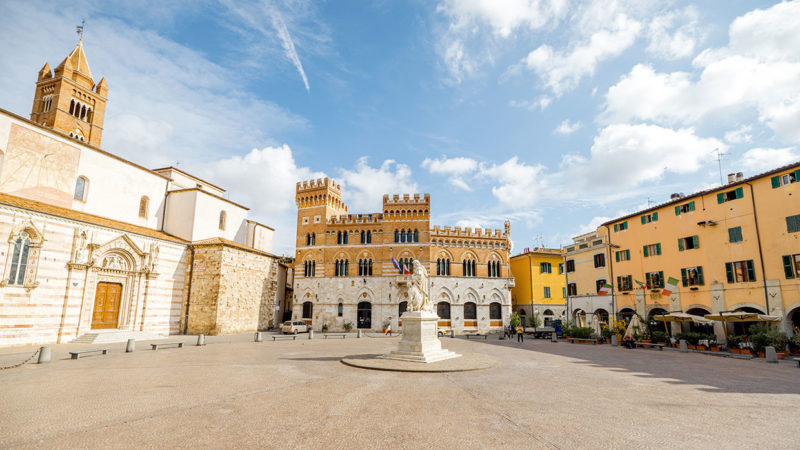
Grosseto, una cittadina toscana poco conosciuta, ha battuto altre 40 città nel 2024 aggiudicandosi il premio ‘European Green Pioneer of Smart Tourism’, assegnato alla destinazione che offre le migliori pratiche per un turismo sostenibile e responsabile. La Sicilia, che vanta alcuni dei comuni storici più spettacolari, ha visto aumentare di anno in anno i visitatori in queste cittadine.
Una di queste è Scicli, dove i miei genitori sono andati l’anno scorso. Questa località gli ha offerto l’esperienza completa dell’albergo diffuso. Hanno soggiornato in una splendida camera in un’antica casa aristocratica. La reception era nel centro del paese e la colazione veniva servita in un bar locale.

English | An uncommon tourism
Far from the bustling cities that attract huge numbers of tourists, students, and workers, there are countless historic villages in Italy with communities that have remained relatively unchanged for generations. But as the country modernises at an ever-more rapid pace, over 1,500 historic villages have been left impoverished.
The question of how to preserve and boost these fragile local economies has become a big topic of conversation. We are all familiar with initiatives to offer abandoned or derelict houses for as little as €1 in return for restoration and relocation, but now a new and unique concept is growing in popularity: the ‘albergo diffuso’ or ‘scattered hotel’.
The origins of the ‘albergo diffuso’ can be traced back to the Friuli-Venezia Giulia region in the 1980s, when efforts were made to attract people to restored towns following an earthquake some years earlier. Now there are over 100 recognised hotels up and down the country, grouped under a national association, with a set of rules and regulations that must be adhered to.
So what exactly constitutes an ‘albergo diffuso’? Essentially it is an accommodation facility that provides rooms across a number of houses and apartments within an inhabited and authentic historical centre. Giancarlo Dall’Ara, the creator of this model, defined it as a ‘horizontal hotel’ which is not built but which promotes the restoration of old buildings that have often been abandoned.
It must provide the amenities offered by regular hotels with a central reception point, and can comprise local businesses such as bars and restaurants to offer catering. This offers guests the chance to experience everyday life in some of the most peaceful and beautiful towns and villages off the beaten track – many of them up high on a hillside.
Grosseto, a little-known town in Tuscany, beat 40 other cities in 2024 to win the European Green Pioneer of Smart Tourism, which is awarded to the destination offering the best practices for sustainable and responsible tourism. Sicily, which boasts some of the most spectacular historic villages, has seen year on year increases in visitors to such towns.
One of these is Scicli, which my parents visited last year. This place encapsulated the scattered hotel experience. They stayed in a splendid room in an ancient aristocratic house. The reception was in the town centre and breakfast was served in a local bar.
Practice your language skills with more ways to learn Italian
Written by Tom Alberto Bull for Italia! issue 220 (Apr/May 2026)